Landscaping in Tulse Hill: Creating Beautiful, Practical Outdoor Spaces for Local Homes and Businesses
Why landscaping in Tulse Hill matters for local properties
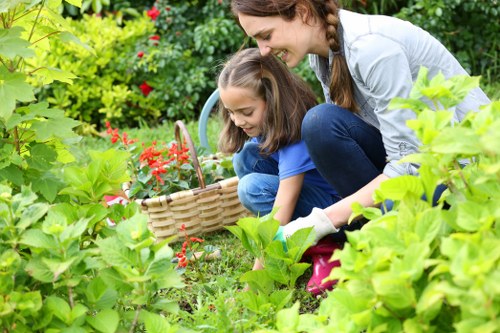
Landscaping in Tulse Hill is about far more than making a garden look attractive. It is about shaping outdoor space so that it works for the way people live, relax, entertain, and move through their property. In a busy South London area like Tulse Hill, where homes often balance period character with modern family needs, thoughtful landscaping can make a major difference to day-to-day comfort and long-term property appeal.
A well-planned outdoor area can improve first impressions, support better drainage, create more usable space, and add structure to gardens of all sizes. Whether it is a compact front garden, a shared courtyard, or a larger rear garden, landscaping in Tulse Hill can transform an ordinary plot into something that feels polished, practical, and inviting. For many property owners, the right design also increases privacy and creates a stronger connection between indoor and outdoor living.
Because Tulse Hill includes a mix of terraces, semi-detached homes, apartments, and commercial premises, landscaping services need to be adaptable. The best results usually come from combining local knowledge, quality materials, and a clear understanding of how the space will be used throughout the year. Good landscaping is not only decorative; it is functional, resilient, and tailored to the property.
Understanding the local character of Tulse Hill gardens
One of the reasons landscaping in Tulse Hill requires a thoughtful approach is the diversity of the local built environment. Many properties feature classic London layouts, narrow access points, and limited outdoor footprints. Others have larger gardens that need structure to avoid feeling underused or difficult to maintain. In every case, the landscape design should suit the home’s architecture and the lifestyle of the people who use it.
Local gardens may also face specific environmental conditions. Shaded boundaries, mature trees, uneven soil, and compacted ground are common issues in urban settings. These factors influence planting choices, paving materials, and the way water moves through the site. A skilled landscaping plan considers these conditions early, helping prevent problems later and making ongoing maintenance easier.
Tulse Hill landscaping works best when it respects both the setting and the needs of the property owner. Some gardens benefit from a clean, minimal layout with crisp edging and low-maintenance planting, while others are suited to layered planting beds, lawn sections, and multiple seating zones. The key is balance: the finished space should feel natural, practical, and well proportioned.
Popular landscaping services in Tulse Hill
Landscaping in Tulse Hill covers a wide range of services, from small upgrades to full garden redesigns. Many homeowners start with one area, such as a tired lawn or an overgrown border, and then expand the project once they see how much the space improves. Others prefer a full transformation from the outset, especially when moving into a new home or preparing a property for sale.
Common services include:
- Garden design and layout planning
- Turfing and lawn replacement
- Patio and paving installation
- Planting schemes and border redesign
- Raised beds and retaining features
- Fence installation and boundary improvements
- Decking construction
- Gravel and decorative stone areas
- Drainage solutions and ground levelling
- Seasonal garden maintenance support
Each of these services can play an important role in creating a cleaner, more usable outdoor space. For example, paving can reduce muddy areas near entrances, while planting can soften hard surfaces and bring colour to a garden throughout the year. Professional landscaping in Tulse Hill often combines several of these elements to create a cohesive result.
Garden design for small and large spaces
Small gardens in Tulse Hill often need clever design to make every metre count. This may involve using vertical planting, built-in seating, narrow planting beds, or zoning the space so that it feels larger and more functional. Light-coloured paving, reflective materials, and well-positioned planting can all help a compact garden feel brighter and more spacious. A carefully designed small garden can be just as impressive as a larger one when every detail is considered.
By contrast, larger gardens offer more room for variety, but they also need structure to avoid looking empty or disconnected. Landscaping in Tulse Hill for bigger plots may include separate entertainment areas, children’s play sections, wildlife-friendly planting, and more substantial trees or shrubs. A successful design uses pathways, levels, and materials to connect these areas so the garden feels unified rather than scattered.
In both small and large spaces, the best landscape design begins with purpose. Ask how the garden should feel, how it should function, and how much time you want to spend maintaining it. Once these answers are clear, the design can be shaped around them, making the final result both beautiful and manageable.
Hard landscaping in Tulse Hill: the structure behind the style
Hard landscaping provides the framework that supports the whole garden. It includes the solid, built elements that define routes, seating areas, and boundaries. When done well, hard landscaping in Tulse Hill gives a garden shape, durability, and long-term value. It is especially important in urban gardens where space is limited and every feature needs to earn its place.
Common hard landscaping features include patios, pathways, retaining walls, steps, fencing, edging, and decking. Materials are chosen not only for appearance but also for performance. Natural stone can create a timeless look, while porcelain paving offers a modern finish and strong resistance to staining. Brickwork and timber can help gardens feel warm and traditional, which suits many Tulse Hill homes.
The practical advantages of hard landscaping are just as important as the visual ones. Properly installed surfaces can improve access, reduce wear on lawns, and support better drainage. In many cases, strong hard landscaping also helps frame softer planting so that the garden feels balanced. Without reliable structure, even attractive planting can feel incomplete.
Popular hard landscaping materials
- Sandstone for a natural and versatile finish
- Porcelain for sleek, low-maintenance paving
- Concrete paving slabs for durability and value
- Brick for traditional borders and retaining walls
- Timber decking for warm, relaxed seating areas
- Decorative gravel for texture and drainage
Soft landscaping and planting that suits Tulse Hill conditions
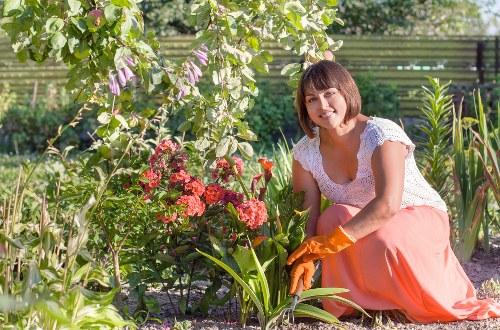
Soft landscaping focuses on the living parts of the garden, such as plants, trees, shrubs, grass, and flower beds. In Tulse Hill, choosing the right planting scheme is essential because urban gardens often deal with varying light levels, compact soil, and boundary shade. A well-designed planting plan can brighten difficult areas, create privacy, attract wildlife, and reduce the need for constant replanting.
Good soft landscaping in Tulse Hill should reflect the style of the property and the amount of care the owner wants to give it. Low-maintenance planting might include evergreen shrubs, hardy perennials, ornamental grasses, and ground cover plants. These choices provide structure and year-round interest without requiring too much attention. For homeowners who enjoy gardening, more seasonal planting can add colour changes and a stronger sense of movement through the year.
Tree and shrub placement matters too. Strategic planting can screen overlooked areas, soften boundary lines, and create a sense of enclosure. At the same time, it is important not to overcrowd the space, particularly in smaller gardens. Effective landscaping in Tulse Hill often depends on choosing the right plant for the right place.
Planting ideas that often work well
- Evergreen hedging for privacy and year-round structure
- Lavender and herbs for scent and pollinators
- Ornamental grasses for movement and texture
- Climbers for fences, walls, and compact gardens
- Shade-tolerant plants for north-facing areas
- Perennials for repeat colour and seasonal interest
Making the most of front gardens in Tulse Hill
Front garden landscaping in Tulse Hill has a major effect on kerb appeal. Even a small front space can create a strong first impression when it is tidy, well defined, and thoughtfully planted. For many homes, the front garden is the first thing visitors notice, and it can say a lot about the care and character of the property.
Popular front garden improvements include neat paving, simple pathway layouts, raised planters, low hedging, and decorative gravel. These elements create a welcoming appearance while keeping the space manageable. In residential streets where parking and access matter, front garden design also needs to be practical, allowing easy movement without making the area feel too hard or exposed.
Landscaping in Tulse Hill often involves finding a middle ground between openness and privacy. The best front gardens do not look overworked; they look clean, deliberate, and well maintained. Even modest changes such as replacing worn edging, adding new shrubs, or upgrading the path can make a surprisingly strong difference.
Rear garden landscaping for relaxing and entertaining
Rear gardens in Tulse Hill are often where people want to relax, host family meals, or enjoy quiet time outdoors. Landscaping can turn these spaces into comfortable extensions of the home. A smart layout may include a dining patio, a lawn for children or pets, a reading corner, and planting that brings privacy and atmosphere.
Many rear gardens benefit from zoning. This means dividing the garden into clearly defined sections so each part has a purpose. For example, one area might be paved for entertaining, another planted for colour, and another kept open for play or lawn use. This approach works especially well in urban properties where each section needs to be used efficiently.
Lighting also plays a valuable role in rear garden landscaping. Subtle lighting along pathways, steps, or planting beds can extend the use of the garden into the evening and improve safety. When landscaping in Tulse Hill is planned with both daytime and evening use in mind, the outdoor space becomes far more versatile.
Drainage, levelling, and practical problem-solving
One of the less visible but most important parts of landscaping in Tulse Hill is solving practical issues beneath the surface. Drainage problems, uneven ground, and compacted soil can all affect how a garden looks and performs. If these issues are ignored, even a beautifully designed garden may quickly become difficult to use.
Drainage improvements may involve regrading the ground, installing soakaways, using permeable materials, or redesigning hard surfaces so water flows away correctly. Levelling can help create safer patios, more usable lawns, and better transitions between different areas of the garden. These steps are often essential in properties where the terrain has changed over time or where previous work has left the area unstable.
For many homeowners, practical improvements are the most satisfying part of a landscaping project because they solve day-to-day frustrations. Muddy paths, standing water, and wobbly paving are more than cosmetic problems; they affect how people use the garden. Strong landscaping in Tulse Hill combines visual appeal with technical precision.
Low-maintenance landscaping for busy households
Not every household has the time to spend on regular garden care. That is why low-maintenance landscaping in Tulse Hill has become increasingly popular. The aim is not to eliminate gardening entirely, but to reduce repetitive tasks and make upkeep simpler. A well-planned low-maintenance garden can still look elegant, full of texture, and welcoming throughout the year.
Design choices that support low maintenance include durable paving, gravel areas, evergreen planting, automatic irrigation, weed-suppressing membranes, and fewer lawn sections. By limiting the number of high-care features, the garden becomes easier to manage without looking bare or boring. The key is to keep the design clean and intentional.
Low-maintenance landscaping works especially well for smaller gardens, rental properties, and busy family homes. It can also be a smart option for those who want to enjoy their outdoor space rather than constantly work on it. With the right planning, landscaping in Tulse Hill can offer beauty and convenience at the same time.
Sustainable landscaping in Tulse Hill
Sustainability is becoming an increasingly important part of garden design. In Tulse Hill, sustainable landscaping can support biodiversity, reduce water waste, and create healthier outdoor environments. It also helps owners make choices that are likely to remain practical in the long term. Using local and resilient materials, choosing climate-suited plants, and limiting unnecessary replacement all contribute to a more responsible landscape.
Eco-friendly landscaping ideas may include rainwater harvesting, permeable paving, composting areas, wildlife-friendly planting, and pollinator-supporting flowers. Choosing hardy plants that suit local conditions reduces the need for excess watering and feeding. Reclaimed materials can also be used creatively in walls, edging, and decorative features, adding character while reducing waste.
For many people, sustainability is not about compromise; it is about smarter design. Landscaping in Tulse Hill can be environmentally thoughtful and visually attractive at the same time. A garden that supports wildlife and uses resources well often feels richer and more alive than one built purely for appearance.
Choosing the right style for your property
Every property in Tulse Hill has its own identity, so the landscaping style should fit naturally with the home. A period house may suit classic materials, curved borders, and traditional planting, while a newer property may look better with streamlined paving, architectural planting, and bolder shapes. The garden should feel like a continuation of the building rather than a separate afterthought.
Some of the most effective styles for landscaping in Tulse Hill include modern minimalism, cottage-inspired planting, family-friendly layouts, and timeless mixed-material designs. The right style depends on the architecture, the amount of space, and how the garden will be used. Matching the style to the property also helps increase visual harmony and long-term appeal.
When style and function work together, the result is more satisfying and more durable. A garden that looks good but does not suit the household will soon feel awkward, while a practical space with no visual flow can feel unfinished. The best landscapes achieve both.
How to plan a successful landscaping project in Tulse Hill
Good planning is essential for any landscaping project. Start by identifying what is not working in the current garden and what you want the new space to achieve. This may include better seating, improved drainage, more privacy, reduced maintenance, or a more attractive first impression. Once the priorities are clear, the design can be shaped around them.
A practical project plan often includes measurements, a rough layout, material choices, planting ideas, and a realistic budget. It also helps to think about how the garden will change over time. For example, a new planting scheme may look sparse in the first season but become much fuller later. Patience and planning are both important when transforming an outdoor area.
For many property owners, it is useful to break the work into stages. That might mean starting with hard landscaping, then adding planting, and finally refining the details. This flexible approach can make larger projects more manageable while still producing a high-quality finish. Landscaping in Tulse Hill is most effective when each stage supports the next.
Why professional landscaping can add long-term value
Professional landscaping can do much more than improve aesthetics. It can make a property more appealing to buyers, easier to maintain, and more enjoyable to live in. In a location such as Tulse Hill, where outdoor space is often at a premium, a well-landscaped garden can help a home stand out in a competitive market.
Quality landscaping also tends to last longer and perform better than rushed or improvised work. Proper preparation, correct installation, and material selection all reduce the likelihood of future issues. This is particularly important for paving, drainage, and structural features, where poor workmanship can lead to expensive repairs.
Whether the aim is to improve a family garden, refresh a rental property, or upgrade a commercial frontage, the benefits are clear. Landscaping in Tulse Hill is an investment in both daily enjoyment and future property value.
Final thoughts on landscaping in Tulse Hill
Landscaping in Tulse Hill offers the chance to turn outdoor space into something genuinely useful and attractive. From smart front garden upgrades to complete rear garden redesigns, the right approach can improve the way a property looks, feels, and functions. The most successful projects are those that combine local understanding, good materials, and a design that matches the way the space is used.
Whether you want a low-maintenance garden, a family-friendly outdoor area, or a stylish space for entertaining, there are countless ways to shape the result. Hard landscaping provides the structure, soft landscaping adds life and movement, and practical solutions ensure the space works in all seasons. Together, these elements create a garden that feels complete.
If you are planning a garden makeover or an outdoor upgrade, now is the ideal time to explore your options. Contact us today to start shaping a landscape that suits your home, your lifestyle, and the character of Tulse Hill. Book your service now and take the first step toward a better outdoor space.