Tulse Hill gardeners guide to garden waste rules Lambeth council
If you garden in Tulse Hill, garden waste can become a quiet headache very quickly. One weekend of hedge trimming, a lawn cut, and a bit of weeding can leave you with far more green waste than you expected. This Tulse Hill gardeners guide to garden waste rules Lambeth council is here to make the whole thing simpler, clearer, and far less annoying. Whether you manage a small courtyard, a family garden, or regular maintenance for local clients, knowing how garden waste should be handled helps you avoid mistakes, reduce mess, and keep jobs moving smoothly.
Truth be told, waste rules are one of those topics people ignore until the bags pile up by the gate. Then it matters. A lot. In the sections below, you'll find a practical breakdown of what counts as garden waste, how local disposal usually works, what gardeners should check before starting a job, and the best habits for staying organised. No waffle. Just the useful stuff, written for real gardens in and around SE21.
Why Tulse Hill gardeners guide to garden waste rules Lambeth council Matters
Garden waste is not just "stuff to throw away". It's a mix of clippings, branches, leaves, weeds, soil, and sometimes awkward extras like old plant pots, broken trellis, or bits of timber. If that material is handled badly, the whole job feels harder, takes longer, and can create avoidable costs or complaints. For gardeners in Tulse Hill, that's especially relevant because many properties have limited storage, narrow access, shared entrances, and neighbours who notice when bags are left out too long.
Local rules matter because waste collection systems are designed around certain categories of material. Green waste often has different handling expectations from general household rubbish, and mixed loads can cause problems. You do not want to spend an afternoon bagging everything neatly only to discover it's all been mixed with rubble, plastic, or soil-heavy material that needs separate treatment.
There is also a reputational angle. If you're working for clients, your waste handling is part of the service. A tidy finish builds trust. A messy pile at the kerb, not so much. We've all seen jobs where the garden looks lovely, but the leftover waste sits there like an afterthought. Not ideal.
For anyone planning regular maintenance, the best approach is to treat waste management as part of the job from the start. That means thinking about volume, segregation, collection timing, and where the material will go before you even begin pruning. It sounds obvious. People still miss it.
How Tulse Hill gardeners guide to garden waste rules Lambeth council Works
The exact service arrangements can change, so the safest habit is to check current Lambeth council guidance before relying on old assumptions. In practical terms, most garden waste systems work around a few simple ideas: keep green waste separate where required, use the correct containers or collection method, and avoid putting non-garden items into the same pile.
Garden waste usually includes organic material from routine gardening jobs. That can mean grass cuttings, leaves, small prunings, hedge clippings, weeds, dead plants, and some branches. It may also include seasonal clear-ups after storms or heavy growth. What it usually does not mean is construction waste, treated timber, broken garden furniture, soil contaminated with rubble, or household rubbish tucked into the pile because it was "just there".
If you're a gardener in Tulse Hill, the workflow often looks like this:
- carry out the garden work
- sort organic waste from non-organic material
- bag, bundle, or stockpile it in the format the collection system expects
- store it safely and neatly until collection or transport
- make sure nothing restricted has been added by mistake
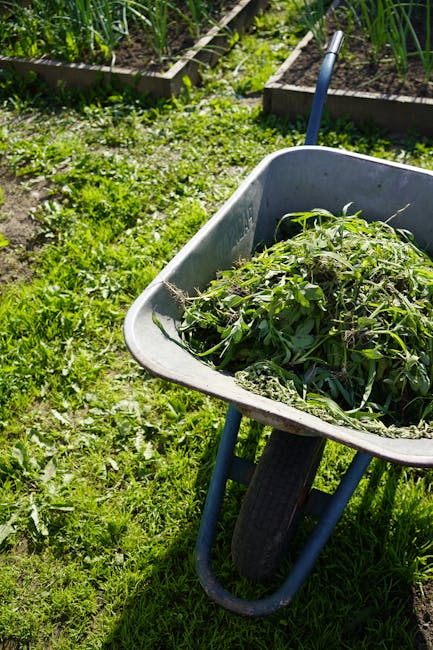
That last step matters more than people think. A single bag with the wrong contents can turn a clean disposal plan into a faffy, expensive re-sort. And if you're working on a bigger job, the volume can balloon fast. A short hedge trim can produce surprisingly bulky clippings. By late afternoon, the wheelbarrow is full, the patio smells green and damp, and you're suddenly in waste-management mode whether you planned to be or not.
For larger or more regular jobs, many gardeners also coordinate waste handling alongside other services such as garden maintenance in Tulse Hill or hedge trimming in Tulse Hill, because both generate predictable volumes of clippings. It keeps the work tidy and avoids last-minute chaos.
Key Benefits and Practical Advantages
Getting garden waste handling right isn't just about compliance. It also makes the actual gardening better. Cleaner site management means safer walkways, less slipping on loose cuttings, faster finishing times, and a more professional result. That sounds basic, but basic is often where good jobs are won or lost.
Here are the main benefits local gardeners usually notice:
- Cleaner working areas: fewer tripping hazards and less mess around paths, lawns, and entrances.
- Better time management: waste is dealt with as you go, rather than becoming a post-job mountain.
- Improved client satisfaction: the garden looks finished, not half-finished.
- Less contamination: organic waste stays separate from plastics, soil, and hard materials.
- Fewer disposal issues: you reduce the risk of collections being refused or delayed.
- More sustainable habits: a lot of green waste can be composted or reused in the right way.
There's another useful upside too: once you start sorting waste properly, you see the garden more clearly. You notice what's being cut back too aggressively, which corners keep producing invasive growth, and where maintenance is becoming repetitive. That helps with planning. In fact, good waste management often leads to better gardening decisions overall.
If the job also involves lawn work, a sensible service pair-up is with lawn mowing in Tulse Hill or lawn care support, because grass cuttings are one of the most common waste streams. Keeping those routines aligned saves time and reduces the chance of overfilling bins or bags.
Who This Is For and When It Makes Sense
This guide is useful for more than just full-time gardeners. In practice, it helps several different people, each with slightly different needs.
- Homeowners who want a cleaner, simpler way to deal with routine garden clear-ups.
- Landlords and letting agents who need outdoor spaces kept presentable between tenancies.
- Independent gardeners who want to avoid waste handling mistakes on client jobs.
- Property managers dealing with shared gardens or communal outdoor areas.
- DIY gardeners who are doing seasonal cutbacks and need a plan before the bags pile up.
It makes especially good sense after large seasonal tasks, such as autumn leaf clearance, spring pruning, hedge shaping, or an overdue reset of an overgrown space. If a garden has been neglected for a while, the waste stream is usually bigger than expected. That's normal. A lot of people underestimate just how much volume comes out of one "quick tidy-up".
For more demanding projects, it can help to look beyond waste removal alone and think about the wider garden job. A neglected space may need full gardening services in Tulse Hill or even landscaping support if the layout, access, or drainage is part of the problem. Waste is often a symptom, not the whole issue.
Step-by-Step Guidance
Here's a practical way to manage garden waste without losing your temper halfway through. It's not fancy, just reliable.
- Assess the work first. Walk the garden before you start. Look at what will be cut, lifted, dug out, or cleared. If you can estimate the waste stream early, you can prepare better.
- Separate the material at source. Keep green waste away from plastics, soil, broken pots, old ties, and treated wood. The sorting is much easier if you do it while working, not at the end when everything is muddy and inconvenient.
- Choose the right container or bundling method. Bags, bins, sacks, or tied bundles may all be used depending on the task and the collection setup. Don't improvise too much.
- Keep soil and rubble separate. This is a common slip-up. Soil-heavy loads are rarely treated the same way as plant waste, and mixing them creates headaches.
- Store waste neatly and safely. Avoid blocking paths, doors, or shared access. In a tight Tulse Hill terrace or side-return garden, this can get awkward fast.
- Check collection timing. Leave waste out too early and it gets untidy or damp. Leave it too late and you miss the pickup. Simple, but easy to get wrong on a busy week.
- Final tidy-up. Sweep paths, check for stray twigs, and make sure nothing has blown into borders or driveways. A last glance is worth it.
If your work includes cutting back dense hedges or tangled climbers, it may be worth reading up on how to remove ivy properly or fast-growing hedges for seclusion, because those jobs often produce more waste than expected. A small hedge today can feel like a branch factory by tea time.
Expert Tips for Better Results
After enough garden work, a few patterns become obvious. The people who stay organised rarely do anything dramatic; they just avoid the easy mistakes.
1) Treat waste sorting like part of the cut, not a separate chore. If you leave everything in one heap, the clean-up takes longer and feels heavier. Sort as you go, even if that means a slightly slower start.
2) Work from the back of the garden forward. That way, you're not carrying freshly cut material across an area you've already cleaned. It sounds minor, but on damp ground it makes a real difference.
3) Don't overfill bags. Heavy, overstuffed bags tear, drag, and make lifting risky. Better to use an extra bag than deal with a split one halfway down the path.
4) Keep a "maybe" pile separate. If you're unsure whether something should be classed as green waste, keep it aside until you check. That tiny pause can save you from mixing the whole lot.
5) Use the season to guide planning. Spring and autumn usually produce different waste profiles. Spring brings pruning, cutting back, and fresh growth. Autumn brings leaves, dead stems, and bulk. Plan your collection or transport accordingly.
6) Pair waste management with preventive garden design. If your garden produces endless clippings because the planting is over-ambitious, maybe the answer is not just more disposal. It might be simpler borders, better spacing, or a layout change. Services like decking services or fencing work in Tulse Hill can also reduce awkward edges and make maintenance more manageable over time.
And yes, there will be days when the wheelbarrow feels like it weighs twice what it should. That's gardening. No one really escapes that part.
Common Mistakes to Avoid
Most waste problems are surprisingly predictable. The same few errors keep showing up, especially in busy domestic gardens where people are trying to finish quickly.
- Mixing garden waste with general rubbish. This is the biggest one. Once mixed, the whole load becomes more awkward to handle.
- Including treated timber or hard materials. Old sleepers, painted wood, broken slabs, and metal fixings should not be treated like ordinary clippings.
- Ignoring soil contamination. Muddy roots and soil-heavy debris can change how waste needs to be handled.
- Leaving waste in the wrong place. Blocking a footpath or a shared entryway can cause avoidable issues with neighbours or collections.
- Assuming all green waste is automatically accepted everywhere. Collection rules can differ, so don't guess.
- Forgetting about thorny or spiky material. Rose cuttings, brambles, and rough branches need safe handling. Gloves matter. So does a decent container.
A smaller but common mistake? Cutting everything before checking disposal options. Then the whole garden is half-finished and the waste plan is still vague. Better to plan first, even if it takes ten minutes. That little pause saves a lot of frustration later on.
Tools, Resources and Recommendations
You do not need a shed packed with specialist equipment to manage garden waste properly, but a few practical tools make life easier. Basic things, really, the sort of kit you only miss when it's raining and you're trying to move a pile of wet clippings through a narrow side return.
- Heavy-duty gloves: useful for thorny cuttings, rough stems, and lifting branches.
- Rake and leaf grabbers: ideal for leaf piles, scattered lawn debris, and final tidy-ups.
- Wheelbarrow or garden trolley: saves time and protects your back.
- Reusable garden sacks or sturdy bags: better than overstuffed thin sacks that split halfway through.
- Secateurs and loppers: useful for reducing bulky waste into manageable pieces.
- Tarpaulin: helpful for moving mixed cuttings without dragging everything across paving.
If you are building a more efficient garden routine overall, supporting services such as tree surgery in Tulse Hill or patio cleaning can be useful after bigger maintenance jobs. A proper clear-up often leaves hard surfaces looking a bit tired; that's normal after lots of foot traffic and leaf fall.
For gardeners interested in making better use of organic material, it can also be worth reading about turning organic waste into vibrant soil. That kind of approach can reduce the amount you need to dispose of in the first place. Not every garden waste problem needs a lorry. Sometimes it needs a compost heap and a bit of patience.
Law, Compliance, Standards, or Best Practice
Any discussion of waste rules has to be handled carefully, because local requirements can change and different waste streams are treated differently. The safest working assumption is simple: follow Lambeth council's current guidance, keep garden waste clean and separate where required, and do not place restricted materials into a green waste stream unless you have confirmed that they are accepted.
For gardeners and property owners, the main compliance principles are usually straightforward:
- do not fly-tip or dump waste in inappropriate places
- do not mix garden waste with materials that need separate disposal
- store waste responsibly before collection or transport
- avoid creating hazards on pavements, entrances, or shared access ways
- check current local collection arrangements rather than relying on old habits
Best practice in the trade is to leave a site cleaner than you found it, with waste sorted, tools packed away, and no loose debris left behind. For professional gardeners, that standard is part of the service. For homeowners, it's simply the smartest way to keep on top of things.
If you're ever unsure about a load, err on the side of caution. Separate it, check it, and avoid mixing categories just to save a minute. A lot of waste issues begin with the sentence, "It'll probably be fine." Usually it won't be. Or at least, not without extra effort.
Options, Methods, or Comparison Table
There are a few common ways to deal with garden waste in Tulse Hill. The right one depends on the size of the job, the type of material, and how often you garden.
| Method | Best for | Strengths | Watch-outs |
|---|---|---|---|
| Kerbside-style collection | Routine clippings, leaves, light pruning | Convenient, tidy, predictable | Needs correct sorting and timing |
| On-site composting | Clean organic waste over time | Reduces disposal needs, improves soil | Not suitable for everything, needs space and patience |
| Bulk bag or bundled removal | Medium-to-large garden clear-ups | Handles heavy volumes well | Overfilled bags become awkward and risky |
| Professional garden clearance | Overgrown or time-sensitive jobs | Fast, efficient, less stress | Needs clear scope and sensible sorting expectations |
If the garden is small and well-kept, composting plus routine collection may be enough. If it's been left too long, or if you're dealing with thick hedging and woody cuttings, a professional clearance approach is usually easier. There's no heroism in wrestling ten bags of wet trimmings up a narrow stairwell. Sometimes the sensible choice is the nicest one too.
Case Study or Real-World Example
Picture a typical Tulse Hill garden after a couple of months of growth. A narrow lawn has become patchy and long, a hedge has pushed out into the path, and a few border shrubs have gone leggy. Nothing dramatic. Just enough to make the space feel slightly untidy every time you look at it from the kitchen window.
The job begins with lawn cutting, hedge trimming, and a light clear-up of fallen leaves and dead stems. By lunchtime, the waste basket is already fuller than expected. The hedge clippings are bulky, the grass is damp from a cool morning, and there are a few rogue bits of old twine tucked among the branches. If that waste had all been thrown together, the finish would have been messy and the collection plan unclear.
Instead, the clippings are kept separate from the non-organic bits, the heavier material is cut down into manageable sections, and the waste is stacked neatly for removal. The patio gets swept at the end, the borders are left open and breathable, and the client can actually see the shape of the garden again. That's the difference a proper waste routine makes.
In this kind of job, services like hedge trimming in Tulse Hill and ongoing garden maintenance fit naturally together. You trim, clear, sort, and finish. Simple enough on paper, yes, but it saves a lot of backtracking.
Practical Checklist
Use this before, during, or after a garden job. It keeps things neat and reduces avoidable mistakes.
- Have I checked the current Lambeth council garden waste guidance?
- Have I separated green waste from plastic, soil-heavy material, and treated timber?
- Do I know roughly how much waste this job will create?
- Do I have enough bags, sacks, or containers for the material?
- Have I kept access routes, steps, and shared paths clear?
- Are thorny or sharp clippings safely handled?
- Have I planned collection or disposal before the work starts?
- Is there a composting opportunity for clean organic waste?
- Have I swept up small debris from paving and edges?
- Would this job be easier with professional help next time?
That last question is worth asking honestly. Sometimes the right answer is yes, and that's fine.
Get a free quote today and see how much you can save.
Conclusion
Good garden waste management is one of those things that quietly improves everything else. The garden looks cleaner, the job feels smoother, the risks go down, and you spend less time wondering where the piles are going to end up. For Tulse Hill gardeners, understanding the basic rules around garden waste and Lambeth council expectations is simply part of working well.
Keep waste separate, plan before you cut, choose the right disposal route, and treat the final tidy-up as part of the service rather than an afterthought. That mindset saves effort and gives the garden a more finished feel. And honestly, that final look matters. You feel it when you step back and the space just breathes again.
If you want the simplest path, build a routine that fits the garden you actually have, not the one in your head. Small garden, big garden, busy family garden, overgrown rental garden - they all need slightly different handling. But the principle stays the same: clean work, sorted waste, calm finish. Lovely when it comes together, isn't it?
Frequently Asked Questions
What counts as garden waste in Tulse Hill?
Garden waste usually means organic material from gardening work, such as grass cuttings, leaves, hedge clippings, weeds, and small prunings. It does not normally include plastics, household rubbish, treated timber, or rubble.
Can I put soil in the same bag as green waste?
Usually not. Soil-heavy loads are often treated differently from clean green waste, so mixing them can cause disposal problems. If in doubt, keep soil separate.
Do Lambeth council rules change for seasonal clear-ups?
The core principle is usually the same, but seasonal jobs can create bigger volumes and more mixed material. Always check the current local guidance before relying on routine habits.
What should gardeners do with hedge trimmings?
Hedge trimmings are typically classed as green waste if they are clean and free from non-organic material. They can be bulky, so it helps to cut them down and pack them properly.
Is composting a good option for garden waste?
Yes, for clean organic waste it can be an excellent option. Composting reduces disposal needs and can improve soil over time, though it is not suitable for every material.
Can tree cuttings and branches go with regular garden waste?
Small branches often can if they are accepted by the collection method you are using, but larger woody material may need different handling. It's worth checking before the job starts.
What is the biggest mistake gardeners make with waste?
Mixing different waste types is the most common issue. Once green waste is contaminated with rubbish, soil, or treated materials, the whole load becomes harder to manage.
How can I make waste collection easier on a small Tulse Hill property?
Sort as you work, use smaller bags or bundles, keep access paths clear, and avoid overfilling containers. On tighter properties, planning is everything.
Should I hire a gardener for waste removal as well?
If the job is small, you may manage it yourself. For overgrown gardens, larger clear-outs, or regular maintenance, it often makes sense to use a service that handles the waste as part of the work.
What services are useful alongside garden waste clearance?
Services like garden maintenance, hedge trimming, lawn mowing, tree surgery, landscaping, and patio cleaning often generate or benefit from structured waste handling. They tend to work best together.
How often should a garden be cleared of waste?
That depends on the size and pace of growth in the garden. Many spaces benefit from routine clearing after mowing, trimming, or seasonal cutbacks rather than waiting for a full backlog.
What should I do if I am unsure about a waste item?
Keep it separate until you can confirm how it should be handled. That little bit of caution is usually better than contaminating a clean load and making disposal harder later.