020 3744 3778
Transform Your Space with Serene Zen Garden Concepts
Posted on 05/10/2025
Transform Your Space with Serene Zen Garden Concepts
Imagine coming home to a peaceful oasis -- a place where you can instantly shed the weight of your daily stress, breathe easy, and feel restored. This is the magic of a Zen garden. Inspired by centuries-old Japanese traditions, Zen gardens are renowned for their tranquility, beauty, and ability to transform both your space and your state of mind. Whether you have a sprawling backyard or a compact urban balcony, integrating serene Zen garden concepts can help cultivate harmony in your environment and your soul. In this comprehensive guide, discover how to transform your space into a sanctuary of calm with practical ideas, design tips, and expert insights on mastering the art of Zen-inspired landscaping.
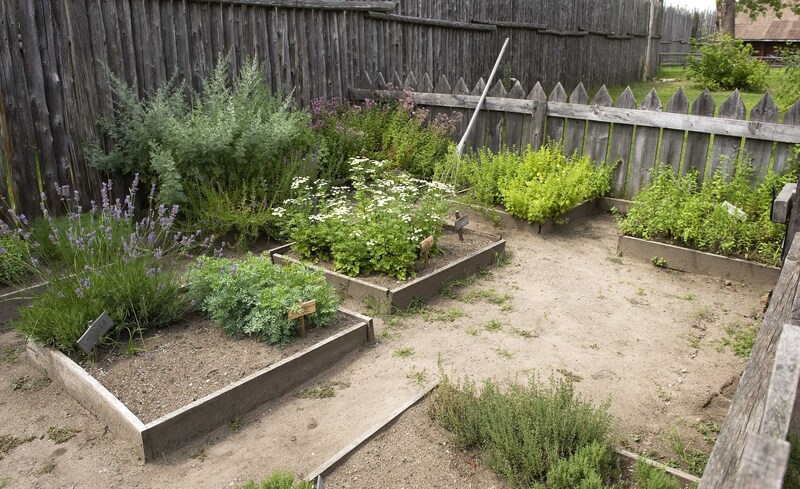
What is a Zen Garden?
A Zen garden, also known as a Japanese rock garden or karesansui, is a minimalist landscape that combines natural elements such as sand, rocks, and carefully selected plants to evoke a deep sense of peace. Historically, these gardens were created for contemplative meditation by Buddhist monks, providing a serene retreat away from worldly distractions.
- Minimalism: Focus on simplicity and restraint; avoid clutter and excessive decoration.
- Symbolism: Each element--sand, stones, lanterns, moss, and water features--symbolizes bigger concepts of nature and existence.
- Balance: Achieve harmony with a balanced composition of textures, shapes, and forms.
The goal is not just aesthetic beauty--it's about fostering a deep connection with nature and cultivating inner peace. Serene Zen garden concepts are adaptable to any space and can be as simple or elaborate as you desire.
The Core Elements of Serene Zen Gardens
To effectively transform your space with Zen garden design, it's important to incorporate traditional elements that define this calming style. Here's an overview of the features that bring serenity and purpose to Zen-inspired gardens:
1. Rocks & Stones
Rocks are the backbone of any Zen landscape. Carefully arranged stones symbolize mountains, islands, or other natural forms. Their placement is intentional and meaningful, representing strength, resilience, and the immutable forces of nature. Use larger rocks as focal points, and group smaller stones nearby for visual interest.
2. Sand or Gravel
Sand or gravel symbolizes water--oceans, rivers, or streams. It's usually raked into ripples or waves, creating an illusion of movement. The act of raking itself is a meditative ritual, helping you to quiet the mind and focus on the present moment.
3. Water Features
Water is synonymous with life and tranquility. Many Zen gardens include real water features such as ponds, bamboo fountains, or stone basins. Even if you can't incorporate actual water, symbolizing it with pebbles or sand maintains the tranquil vibe.
4. Plants & Moss
Less is more: Zen gardens use plants sparingly. Common choices include dwarf trees, bamboo, and evergreen shrubs, along with soft green moss to cover stones or create lush patches. The focus is on texture and subtlety rather than colorful blossoms.
5. Decorative Accents
Lanterns, bridges, and statues give your Zen garden a sense of history and purpose. Stone lanterns, for example, can illuminate pathways and become symbolic markers. Wooden or stone bridges invite contemplation, guiding visitors from the outer world into a space of stillness.
Benefits of Zen Garden Concepts in Modern Spaces
Whether you live in a city apartment, a suburban townhouse, or your home boasts a generous backyard, implementing serene Zen garden concepts brings a multitude of advantages:
- Stress Reduction: Nature-inspired designs lower cortisol, promote relaxation, and help you unwind.
- Boosted Mindfulness: Raking gravel, tending to moss, and strategic plant placement offer opportunities for daily meditation and presence.
- Low Maintenance: Zen gardens eschew high-water lawns, seasonal blooms, and high-maintenance plants.
- Year-Round Beauty: Stones, moss, and evergreen elements look stunning in every season.
- Enhanced Property Value: Unique landscaping boosts curb appeal and property desirability.
Designing Your Zen-Inspired Oasis
Ready to transform your space with Zen garden concepts? Planning is key. Follow these steps to design a personal haven--no matter your location or budget.
Step 1: Assess Your Space
You don't need a vast space to experience the magic of a Zen garden. From a corner of your backyard to a section of your patio or balcony, almost any area can be transformed.
- Measure your available space.
- Consider light, drainage, and existing elements (e.g., trees, fences, retaining walls).
- Decide if you want a traditional dry landscape or incorporate water features.
Step 2: Plan Your Layout
Sketch a simple map to experiment with shapes, positioning of rocks, and paths. Think about balance and asymmetry--Zen design deliberately avoids rigid symmetry, embracing organic layouts that mimic nature.
Step 3: Choose Your Core Elements
- Handpick rocks with unique textures and shapes.
- Purchase high-quality sand or gravel (white or gray are most serene).
- Select subtle, low-growing plants that will thrive in your climate.
- Add water features if space and resources allow.
- Include traditional accents like stone lanterns, stepping stones, or simple bamboo fencing.
Step 4: Install and Arrange
Lay a weed barrier under gravel or sand. Arrange rocks first, followed by sand, gravel, and plants. Place accents thoughtfully, making sure nothing feels forced or artificial. Finally, use a rake to create sweeping patterns in the sand -- this is both art and Zen practice.
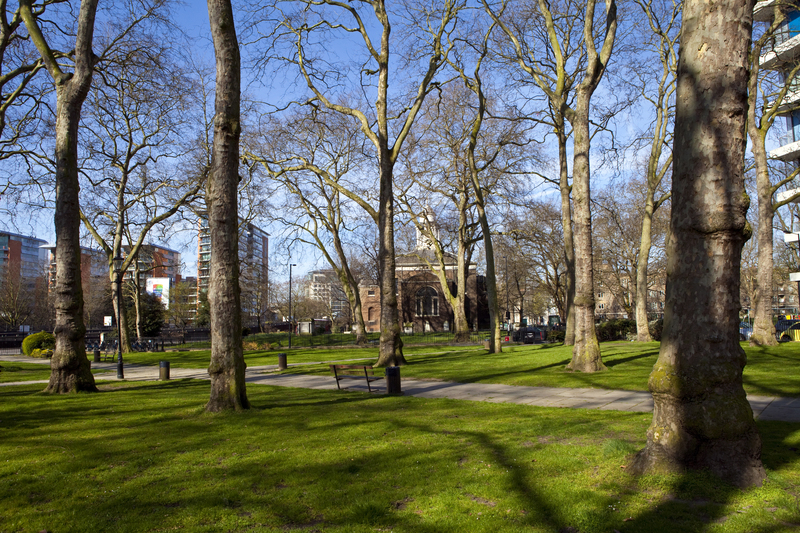
Innovative Zen Garden Concepts for Modern Homes
Even small spaces or unconventional locations can blossom into tranquil retreats with the right approach. Here are several modern Zen garden ideas suited to today's homes:
Mini Zen Desk Gardens
- Use a shallow tray, fine sand, and miniature stones for a desktop Zen retreat.
- Place a tiny rake and regularly reshape sand for stress relief during work hours.
Indoor Zen Corners
- Dedicate a corner of a room to pebbles, moss, and an elegant bonsai or bamboo plant.
- Accent with candle lanterns or small water fountains for sound therapy.
Balcony Japanese Rock Gardens
- Set up large planters with gravel, potted dwarf pines, and stone sculptures.
- Use bamboo screens for privacy and ambiance.
Backyard Meditation Pathways
- Construct a winding path with stepping stones set in gravel or low groundcover.
- Flank the path with weathered rocks, subtle plantings, and a wooden bench for contemplation.
Waterless Zen Concepts
- If water features aren't practical, use blue or glass pebbles to symbolize streams, or incorporate reflective stones for a watery illusion.
Key Tips for a Serene Zen Garden Transformation
- Embrace Simplicity: Avoid overplanting or unnecessary ornamentation. Let empty space speak volumes.
- Prioritize Quality Over Quantity: Invest in a few striking elements instead of many small, less impactful ones.
- Soothing Color Palette: Focus on natural, neutral tones--gray, white, deep green, and muted earth colors.
- Textural Contrast: Mix coarse stones with soft moss, smooth gravel, and rough bark for dynamic visual interest.
- Integration with Nature: Harmonize your Zen garden with your local flora and environment for authenticity.
Maintenance & Mindful Care
One of the joys of Zen landscapes is their low-maintenance nature. Yet, to retain the garden's energy and serenity:
- Rake sand or gravel regularly to refresh the patterns and clear debris.
- Prune plants gently so they remain contained and harmonious, avoiding aggressive shaping.
- Remove fallen leaves or weeds to maintain a neat appearance.
- Clean decorative elements, like lanterns or statues, to prevent buildup of moss or dirt.
Caring for your Zen garden isn't just a chore--it's a meditative practice in itself.
Personalizing Your Zen Sanctuary
While traditional Zen garden concepts offer a valuable blueprint, don't be afraid to let your own preferences shape your oasis. Add a favorite sculpture, cultivate a bonsai that resonates with you, or use stones collected from places of personal significance. The most important element is personal peace.
Conclusion: Start Your Journey with Zen Garden Concepts
Transforming your space with serene Zen garden concepts is more than a design project--it's an invitation to welcome stillness, mindfulness, and harmony into every corner of your environment. Whether you dream of a full-scale backyard retreat or a modest indoor sanctuary, Zen principles can be adapted for every lifestyle. By embracing simplicity, symbolizing nature, and prioritizing tranquility, you can craft a stunning haven that nurtures your body, calms your mind, and elevates your home's atmosphere.
Begin crafting your own sanctuary today and step into a world where serenity thrives, right at your doorstep.
Latest Posts
From Organic Waste to Vibrant Soil
Transform Your Space with Serene Zen Garden Concepts
9 Essential Ground Cover Plants to Enhance Your UK Garden Landscape

From a young age, Blair has cultivated a passion for order, which has now matured into a prosperous profession as a waste removal specialist. She derives satisfaction from transforming disorderly spaces into practical ones, aiding clients in conquering the burden of clutter.